

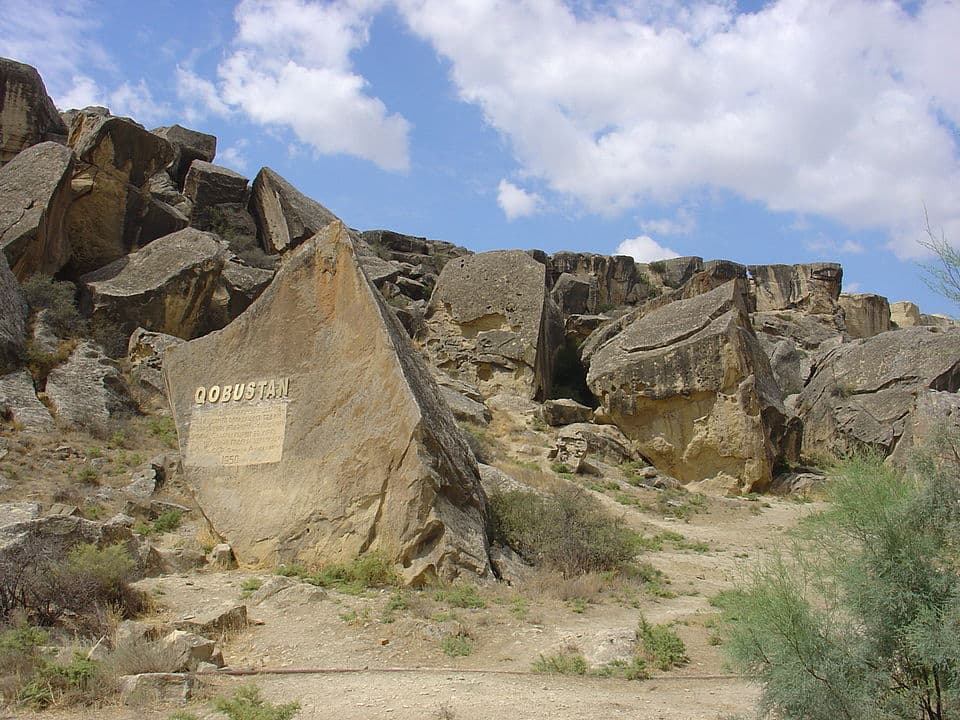
Gobustan National Park, a UNESCO World Heritage Site, is a rocky landscape featuring over 6,000 rock engravings dating back 40,000 years.

Gobustan's climate can be unpredictable with sudden rain showers.

The park has rocky terrain and muddy paths due to its natural landscape.

The sun can be intense, especially when exploring the mud volcanoes.
UNESCO World Heritage site featuring ancient rock carvings and petroglyphs.

Unique natural phenomenon where mud bubbles up from the earth's surface.

Ancient Zoroastrian temple illuminated at night, offering panoramic views.

Mutton stew with chickpeas, potatoes, and herbs, served with flatbread

Stuffed grape leaves with rice, herbs, and sometimes meat, served cold or hot

Grilled meat skewers, often served with flatbread and salad

A local favorite for breakfast, offering traditional Azeri dishes with a view of the park.
A unique dining experience within the park, offering a mix of Azeri and Mediterranean cuisine.
A fine dining experience with a stunning view of the park, offering traditional Azeri and Caucasian dishes.
A high-quality poster featuring the UNESCO-listed rock art of Gobustan, capturing the essence of the park's ancient history.
A traditional Azeri kilim, hand-woven by local artisans using ancient techniques and symbolizing the region's rich cultural heritage.

Locally produced honey from the park's nectar-rich flora, known for its unique taste and health benefits.
A mesmerizing light and sound show that illuminates the historic Tsepi Fort in Pune, Maharashtra.

A vibrant market in the cold desert of Nubra Valley, offering local produce, handicrafts, and cultural experiences under the starlit sky.
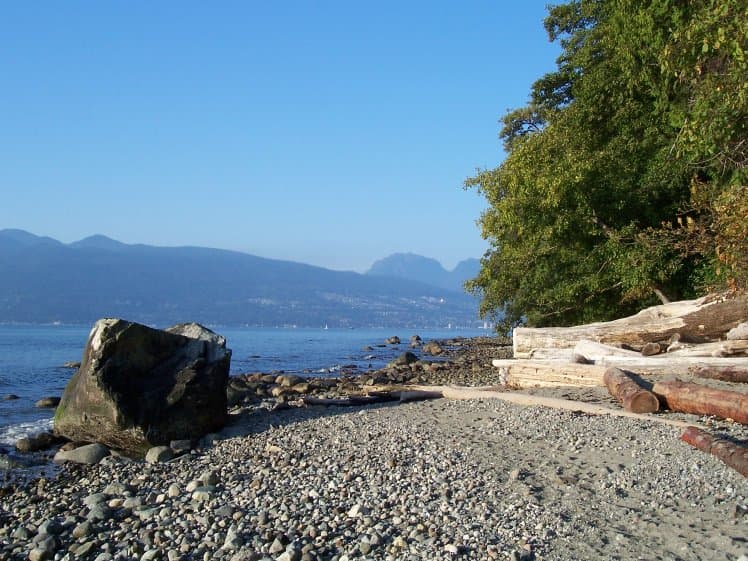
A serene urban forest with 73 km of trails, offering stunning views of the Pacific Ocean and Burrard Inlet.