


The Bhutan National Museum, housed in a former watchtower, offers a fascinating glimpse into Bhutan's rich cultural heritage and history.

A stunning fortress that houses the throne room and offices of the king and the central monk body.

A large white chorten (stupa) built in memory of the third king, Jigme Dorji Wangchuck.

A vibrant market offering local food, handicrafts, and cultural performances.

Famous for its traditional Bhutanese breakfast, especially the 'Ema Datshi' (chili and cheese).

Known for its variety of Bhutanese and Indian dishes, especially the 'Red Rice' and 'Pork Curry'.

Famous for its international cuisine and beautiful ambiance, especially the 'Pizza' and 'Pasta'.

Bhutan's climate is unpredictable, with sudden rain showers, especially in the monsoon season.

Visiting the museum involves walking on uneven surfaces and stairs.

The museum offers beautiful views of the surrounding valley and architecture.

Salted butter tea, made with yak butter, water, and salt.
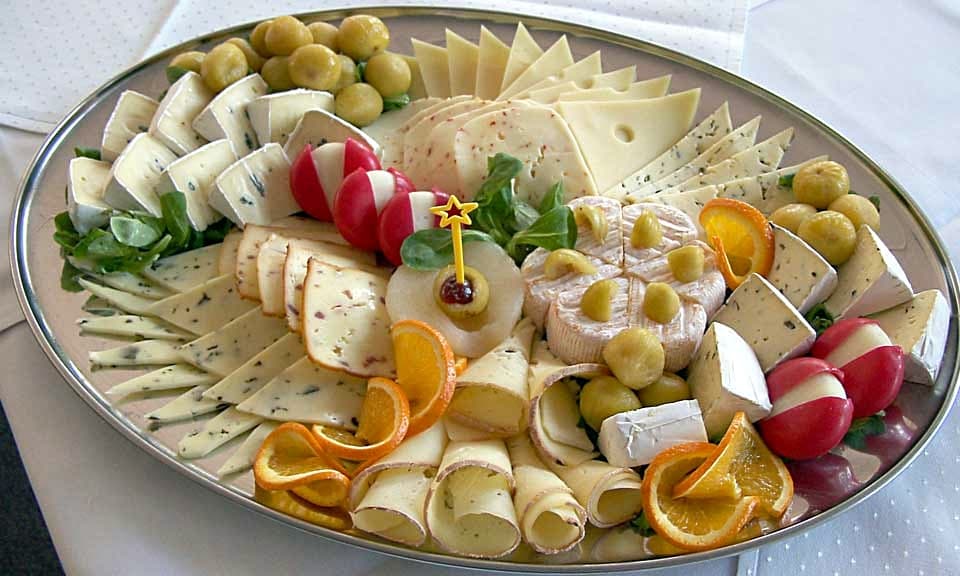
Spicy chili and cheese stew, a national dish of Bhutan.

Dumplings filled with pork, beef, or vegetables, served with a spicy chili sauce.
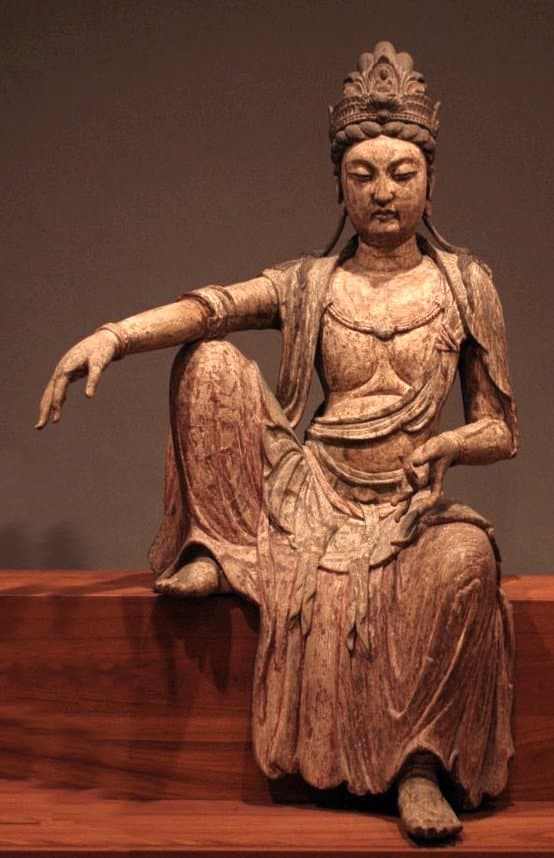
Handmade from local herbs and woods, this incense is a symbol of Bhutan's rich cultural heritage.

Intricately woven with traditional patterns, these textiles are a testament to Bhutan's weaving tradition.
Crafted from silver, these jewellery pieces bear the Dzongkha script, representing Bhutan's unique language and culture.
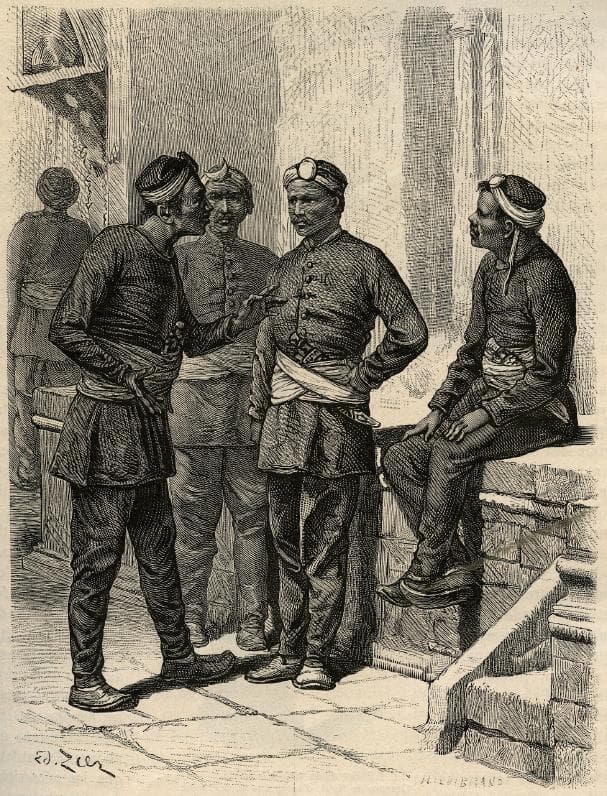
A fascinating museum dedicated to the world's highest peaks and mountaineering history, located in the Annapurna Conservation Area.

A charming coastal town in southern France, known for its Camargue horses and gypsy pilgrimage.

Gateway to the Sonoran Desert, offering hiking trails, wildlife viewing, and educational programs.