


A well-preserved Roman palace complex in Split, Croatia, built by Emperor Diocletian in the 4th century AD.

A grand courtyard surrounded by columns, offering a glimpse into ancient Roman architecture.

A 7th-century cathedral with a bell tower offering panoramic views of Split.

A waterfront promenade lined with palm trees, cafes, and shops, perfect for an evening stroll.

A traditional craft made from olive wood, symbolizing the city's history and culture.
Dalmatian lace, a UNESCO-recognized intangible cultural heritage, is often used to pin clothes.
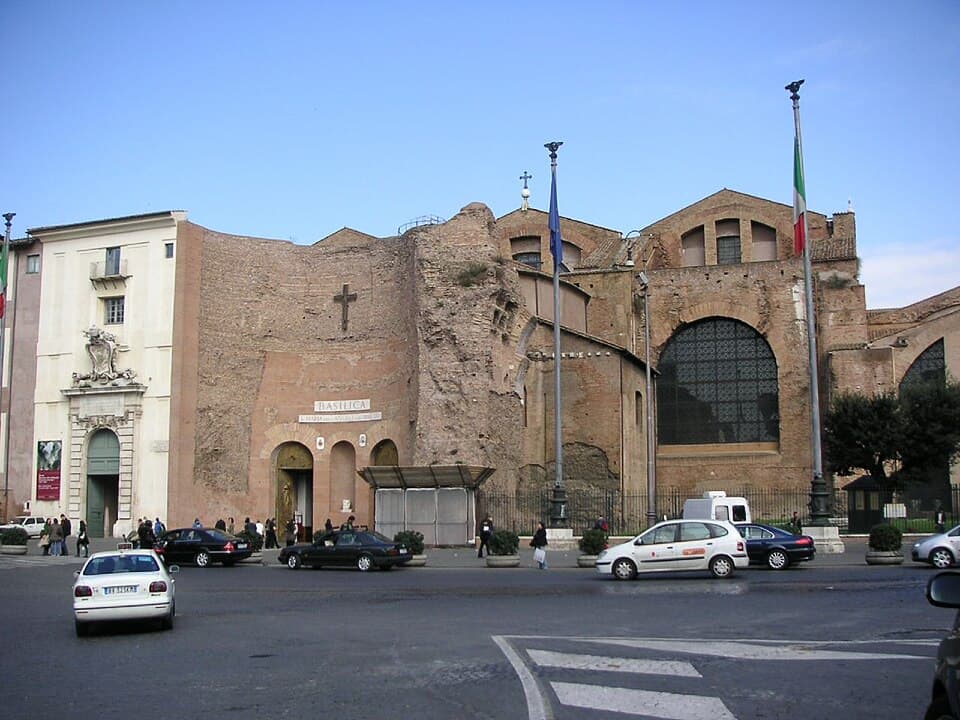
Amber, found in the Adriatic Sea, is often combined with silver to create unique jewellery pieces.

Café de Mato is a charming spot located near Diocletian's Palace, known for its freshly prepared breakfast dishes and great coffee.
Bistro Toc, located just a short walk from Diocletian's Palace, offers a selection of traditional and contemporary Mediterranean dishes in a cozy atmosphere.
Restaurant Apin specializes in fresh seafood and traditional Mediterranean cuisine, making it a popular choice for dinner among locals and tourists near Diocletian's Palace.

Croatian doughnuts made with brandy, lemon zest, and raisins, deep-fried and dusted with powdered sugar.
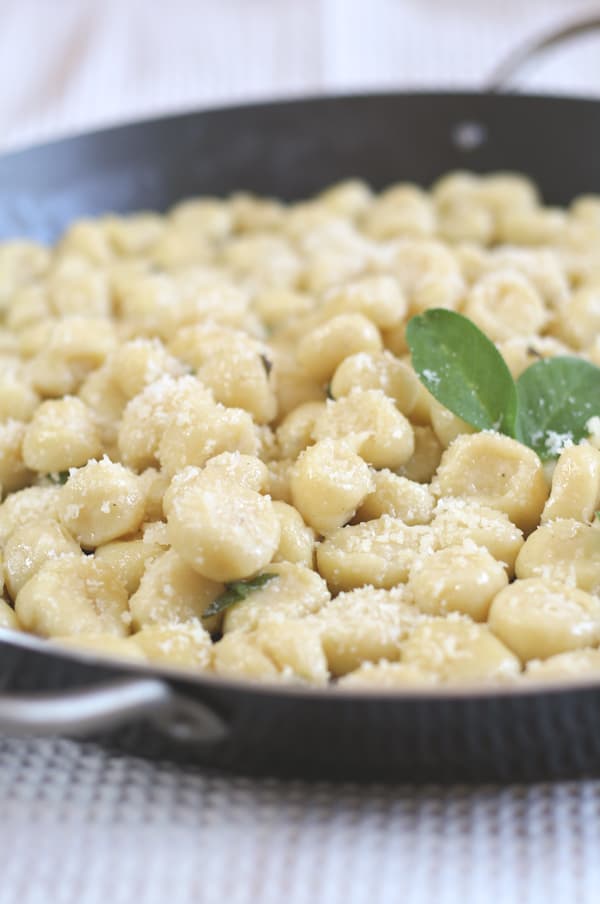
Slow-cooked beef stew with gnocchi, flavored with nutmeg, cloves, and prošek (Croatian dessert wine).

Traditional Croatian fruit brandy, often served with dessert or as a digestif.

Split between indoor and outdoor exploration, rain can be sudden and unpredictable in Diocletian's Palace area.

The palace complex is vast and involves a lot of walking on historic surfaces.

Staying hydrated is crucial in the Mediterranean climate, and carrying water is convenient and eco-friendly.
Narrow, winding alleys lined with traditional courtyard homes, offering a glimpse into old Beijing's charm.

A vibrant night market in Bangkok, offering street food, shopping, and local culture.

Qinghai Lake, the largest saltwater lake in China, offers stunning landscapes, diverse wildlife, and rich Tibetan culture.