


The Pyramids of Giza, a UNESCO World Heritage site, are ancient tombs built for Pharaohs around 4,500 years ago, with the Great Pyramid being the oldest of the Seven Wonders of the Ancient World.
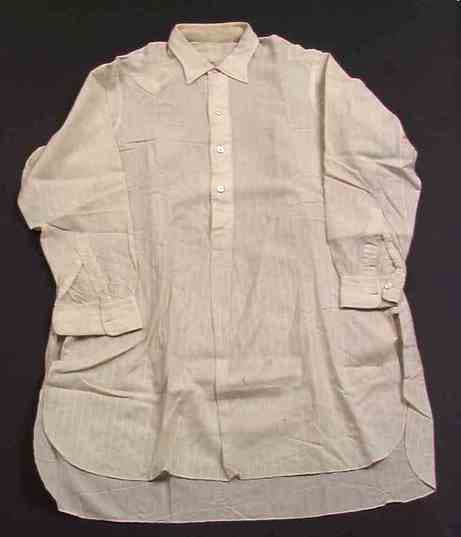
Egypt's climate is hot and sunny, but long sleeves protect from sunburn and respect local dress codes.
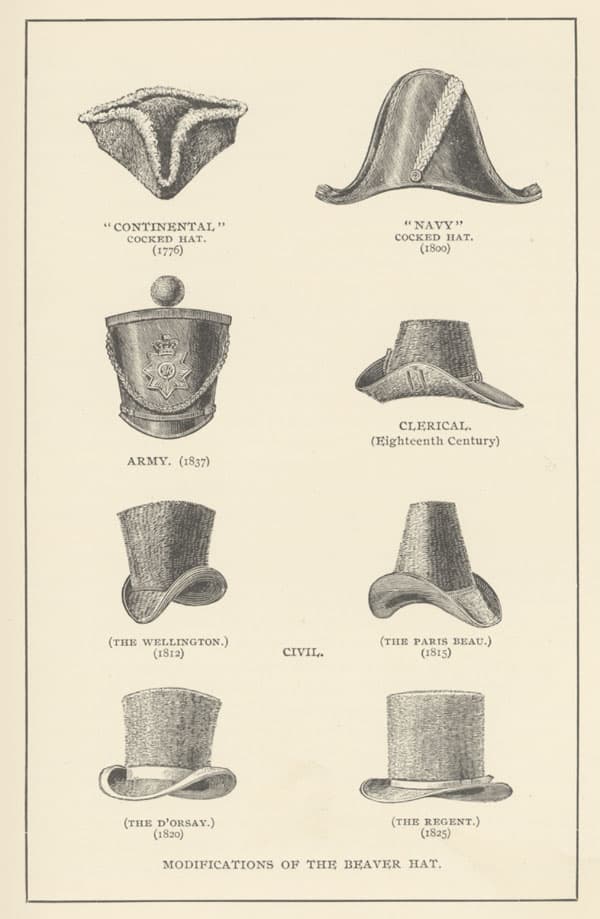
Protects from the intense sun while exploring the pyramids.

Protection from the strong Egyptian sun is crucial to prevent sunburn and heatstroke.

The largest of the three pyramids on the Giza plateau, built as a tomb for Pharaoh Khufu.

Home to the intact solar boat of Pharaoh Khufu, offering insights into ancient Egyptian funerary practices.

A limestone monument with a lion's body and a human head, believed to be Pharaoh Khafre.

Fava beans cooked with garlic, cumin, and olive oil, often served with pita bread and falafel.

Deep-fried balls made from chickpeas, fava beans, or both, mixed with herbs and spices.
A mix of rice, lentils, macaroni, and chickpeas, topped with a spicy tomato sauce and garlic vinegar.

Famous for its Egyptian breakfast, especially the 'ful' (fava beans).
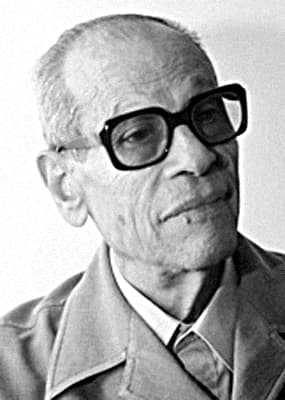
Named after the Nobel laureate, offers a variety of Egyptian dishes.
Iconic for its koshary (mixed rice dish).

Crafted from local alabaster, these miniature Sphinxes are a symbol of the ancient Egyptian civilization.

Made from high-quality Egyptian cotton, these scarves are known for their softness and breathability.

Handmade using the ancient technique of pressing and drying papyrus plants, these artworks depict Egyptian scenes and hieroglyphics.

Historic beaches where the Allied invasion of Normandy took place during WWII, offering poignant museums and memorials.

An ancient burial site in Hebron, believed to be the resting place of the Patriarchs and Matriarchs of the Jewish faith.

Kovvur Museum, a treasure trove of art and history, is situated in the heart of Andhra Pradesh, India.