


Ancient Roman city featuring grand temples and a massive stone structure, nestled in the Bekaa Valley.

The best-preserved temple in Baalbek, dedicated to the Roman god of wine.
A UNESCO World Heritage site featuring Roman ruins, including the Temple of Jupiter and the Great Court.

A vibrant night market offering local food, shopping, and cultural performances.

Thin pizza-like bread topped with thyme, olive oil, and sometimes cheese or meat.

Bulgar wheat and minced meat croquettes, often served with yogurt or tahini sauce.
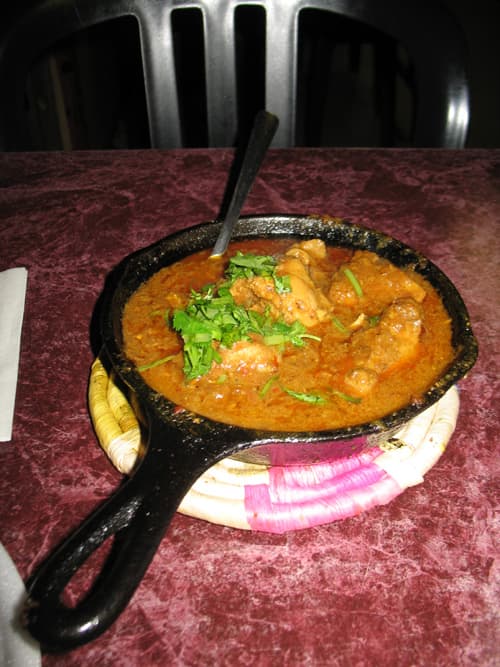
Grilled marinated lamb meat, served with pita bread, tomatoes, and tahini sauce.

Handcrafted jewellery made from ancient Roman glass found in Baalbek, symbolizing the region's rich history.

Traditional olive oil soap made from local olive oil, known for its moisturizing properties and unique scent.
Iconic Lebanese water pipe, handmade by local artisans, reflecting the country's social culture.

Protection from the sun during outdoor exploration of the ruins.

Staying hydrated in the hot climate while visiting the ruins.

Exploring the extensive site comfortably and safely.

A historic hotel and restaurant offering traditional Lebanese breakfast with a view of the Baalbek Roman Ruins.
A local favorite serving delicious Lebanese cuisine with a beautiful outdoor seating area.
A fine dining restaurant offering a blend of French and Lebanese cuisine in a historic setting.

A beautiful 18th-century English-style garden in Normandy, France, known for its stunning landscapes and historic architecture.
Witness the stunning sunset over the Aragvi River, with the Varlaam Monastery's golden domes aglow, a must-see for photographers and history enthusiasts.

The grand Kraton Ngayogyakarta Hadiningrat is a 18th-century palace complex that served as the seat of power for the Sultanate of Yogyakarta, showcasing a blend of Javanese and European architectural styles.