

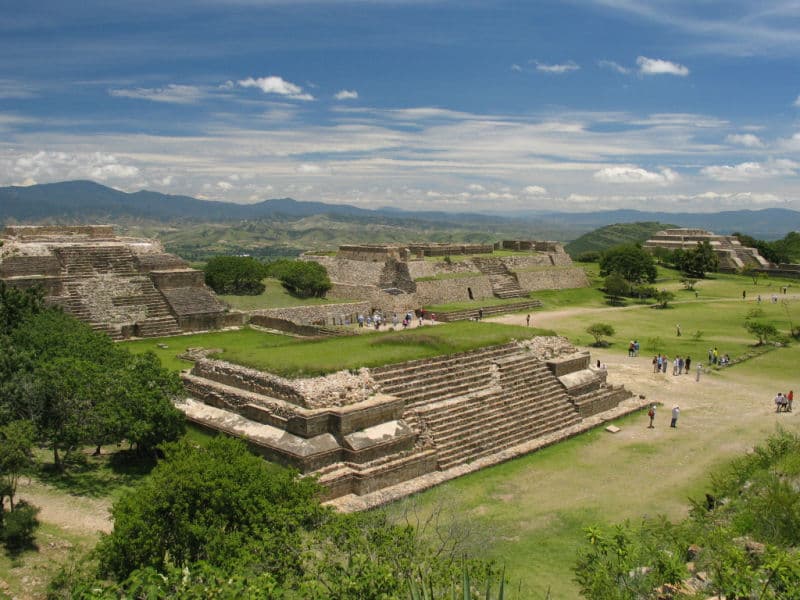
Oaxaca, known for its vibrant culture, colonial architecture, and ancient Zapotec and Mixtec ruins, offers a rich blend of history and tradition.

Vibrant, hand-painted wooden animal figurines, a symbol of Oaxaca's folk art tradition.

Ancient tradition of creating black, unglazed pottery, often featuring intricate designs.
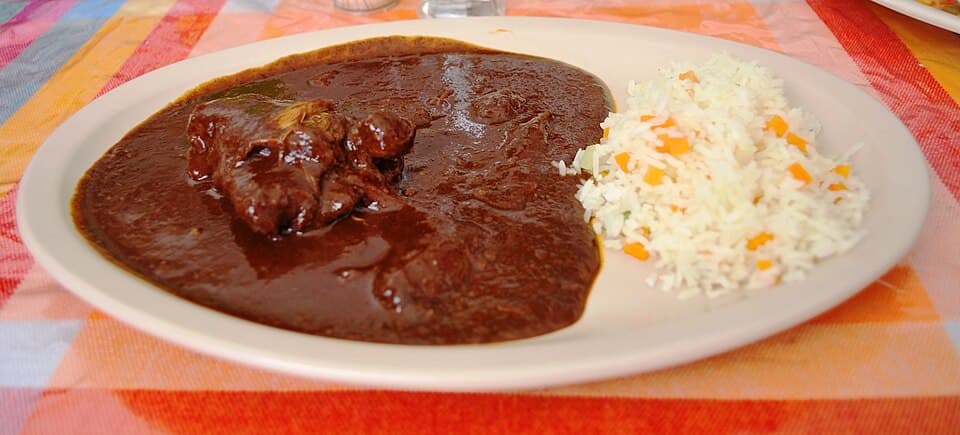
Seven distinct types of mole sauces, made from various ingredients like chiles, chocolate, and spices.

A traditional Oaxacan soup with fish, vegetables, and a unique 'stone' (heated rocks) to cook the ingredients.
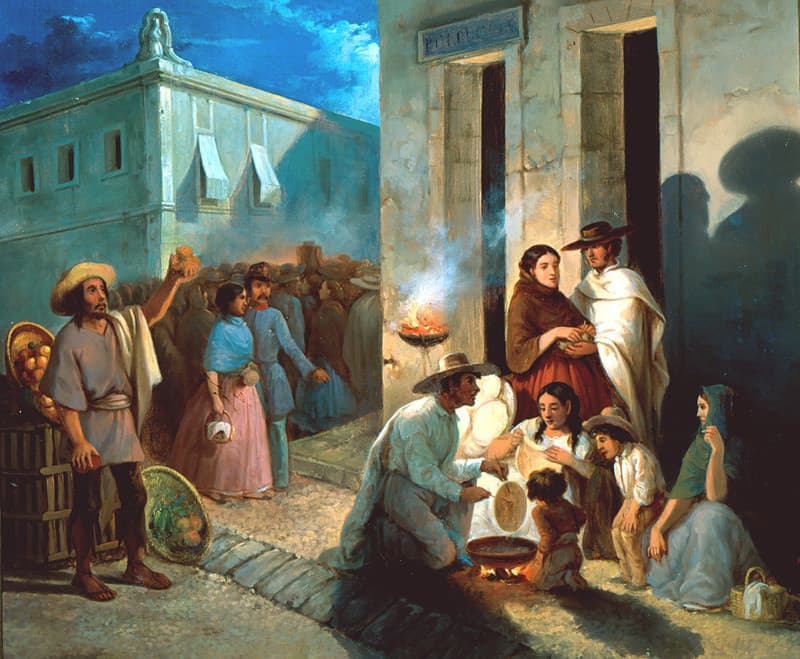
A large, crispy tortilla topped with beans, cheese, salsa, and various toppings like chicken or beef.
A rich, dark sauce made with chocolate, chiles, and spices, served with meat or poultry.

A local favorite for breakfast, known for its traditional Oaxacan dishes and warm atmosphere.
A renowned restaurant offering a modern take on traditional Oaxacan cuisine in a beautiful colonial setting.

A popular spot for dinner, known for its innovative Oaxacan dishes and extensive mezcal selection.
A pre-Hispanic archaeological site with a temple dedicated to the goddess Centeotl, offering a glimpse into Oaxaca's ancient history.
A fascinating museum showcasing Oaxaca's rich cultural heritage, including artifacts from various pre-Hispanic civilizations.
A picturesque pedestrian street lined with restaurants, shops, and street performers, perfect for an evening stroll.
Oaxaca's climate is tropical, with frequent rain showers, especially in the evenings.
Staying hydrated is crucial in Oaxaca's warm climate, and tap water may not be safe to drink.

Oaxaca is famous for its vibrant textiles, and purchasing local crafts supports the local economy.

A 1,000-acre urban oasis in Vancouver, offering beaches, trails, and the Vancouver Aquarium.
A serene 18th-century garden and palace complex, known for its fountains and vibrant flowers.
Immerse yourself in Sichuan's rich cultural heritage at the Dazu Folk Customs Museum, showcasing intricate architecture, vibrant festivals, and traditional arts.