


A UNESCO World Heritage site, Lahore's Walled City is a labyrinth of narrow streets, historic mosques, and vibrant markets, offering a glimpse into Pakistan's rich cultural heritage.

Intricate embroidered shawls and dupattas, a traditional craft passed down through generations.

Distinctive blue pottery, a blend of Persian and Indian styles, often featuring floral and geometric patterns.

Exquisite jewellery made of silver and semi-precious stones, often featuring intricate filigree work.
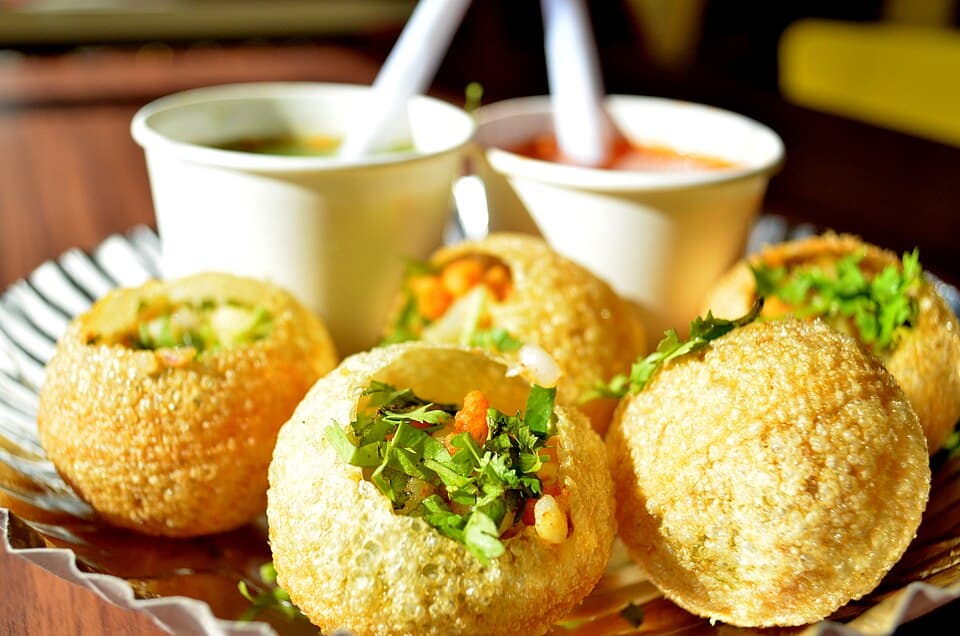
Sweet semolina halwa with puri (fried bread), served with yogurt and chana (chickpeas)

Slow-cooked beef or lamb curry, served with naan and garnished with ginger and green chilies

Aromatic rice dish with mutton or chicken, served with raita (yogurt sauce)

Magnificent red sandstone mosque, a symbol of Mughal architecture.

Exquisite mosque known for its intricate tile work and calligraphy.

Historic fort featuring palaces, mosques, and gardens, with a stunning view of the city.

Famous for its breakfast buffet with a view of the Badshahi Mosque.

Known for its traditional Pakistani breakfast items like Halwa Puri and Kanji.

A bustling street filled with small eateries serving traditional Lahori cuisine.

Lahore's climate can be hot during the day but cooler in the evenings, making long-sleeved shirts useful.

Exploring the Walled City involves a lot of walking, so comfortable shoes are essential.

Protect your skin from the sun, especially during the day when exploring outdoors.

A serene urban oasis featuring diverse plant life and a tranquil lake, perfect for relaxation and learning.
A unique museum dedicated to hot springs, showcasing their history and cultural significance in China.

A historic museum in Punjab, India, dedicated to the life and teachings of Guru Gobind Singh, the tenth Sikh Guru.