


The iconic Hawa Mahal, or 'Palace of Winds', is a five-story structure built in 1799, with intricate lattice work and over 950 windows, allowing cool breeze to pass through.
The iconic 'Palace of Winds', a five-story structure with intricate lattice work.

An astronomical observatory built in the 18th century, featuring large instruments for measuring time and predicting celestial events.

A complex of palaces, gardens, and museums showcasing the royal history of Jaipur.

A traditional tie-dye textile, Bandhani is a symbol of Rajasthani culture and craftsmanship.

Intricate enamel work, Meenakari is a traditional Jaipuri jewellery craft known for its vibrant colours and delicate patterns.

A traditional printing technique using wooden blocks, block prints are a popular Rajasthani textile craft.

Fried pastry filled with spiced onion, served with tamarind chutney
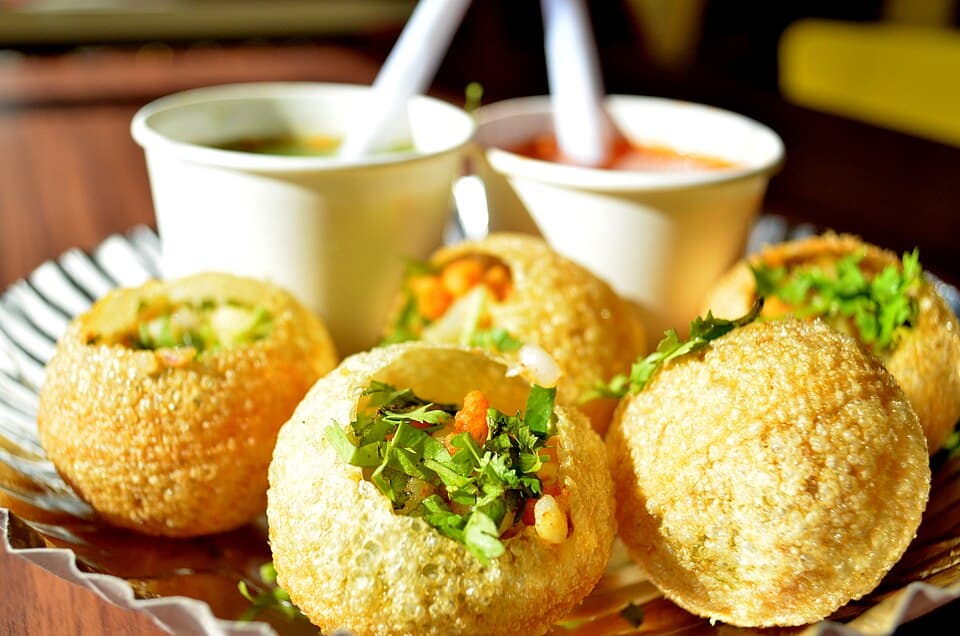
Sweet yogurt with saffron and cardamom, often served with poori

Rich, spicy mutton curry cooked in ghee, a Rajasthani specialty

Famous for its 'Mawa Kachori' and 'Pyaz Kachori', this place is a breakfast staple for locals and tourists alike.

Offers a lavish buffet breakfast with a variety of international and Indian dishes.

Known for its traditional Rajasthani thali, this restaurant offers a royal dining experience.

Hawa Mahal is often crowded and can get hot, but long sleeves protect from sunburn and potential pickpockets.

Exploring Hawa Mahal and nearby attractions involves a lot of walking on uneven surfaces.

Staying hydrated is crucial in Jaipur's climate, and reusable bottles help reduce plastic waste.
A mesmerizing display of lights along Kusumi Harbor, transforming the waterfront into a magical wonderland.

The Terrace of the Elephants is a remarkable 300-meter long sandstone platform in the heart of Angkor, Cambodia, adorned with intricate carvings of elephants, garudas, and other mythical creatures.

Dakshinachitra is a heritage museum in Tamil Nadu, showcasing traditional South Indian architecture and art.