


Chittorgarh Fort, a UNESCO World Heritage Site, is a massive hill fort in Rajasthan, India, showcasing the rich history and culture of the Rajputs.

A UNESCO World Heritage site, this fort is a symbol of Rajput courage and sacrifice.

A 37-meter tall tower built in 1440 AD, offering panoramic views of the city.

The largest monument in Chittorgarh Fort, this palace is a blend of Hindu and Islamic architectural styles.

Hand-painted terracotta items depicting local folklore and history, a Chittorgarh specialty.
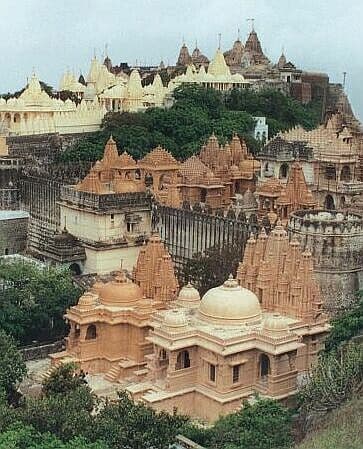
Intricately designed silver jewellery inspired by Rajputana architecture, a popular choice among tourists.
Lightweight, hand-woven fabrics with traditional block prints, perfect for the hot Rajasthani climate.
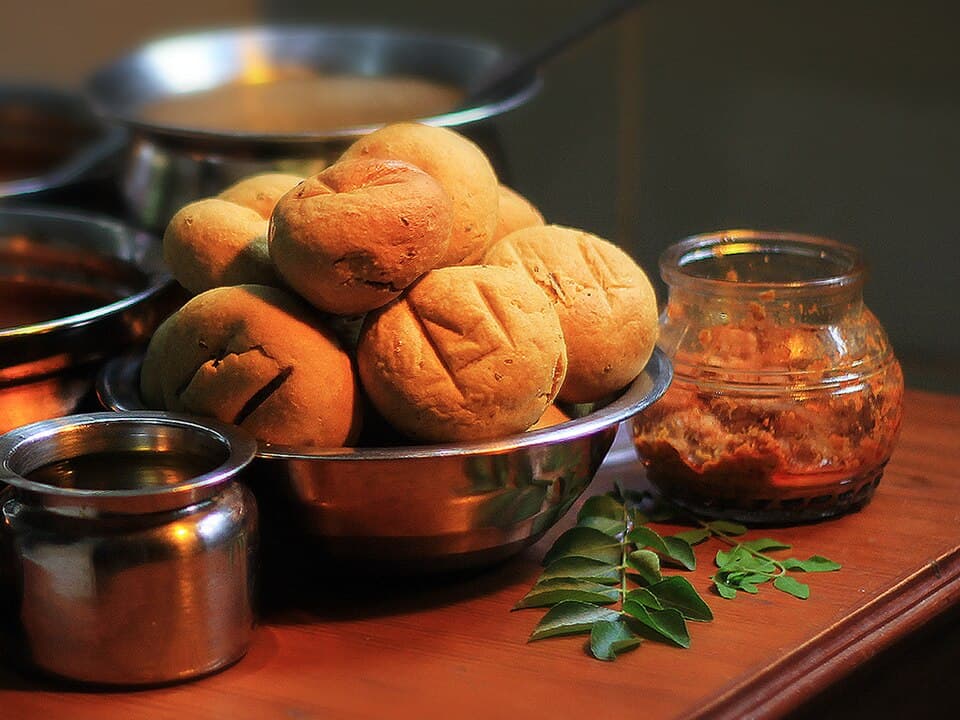
A Rajasthani dish consisting of wheat balls (bati) dipped in ghee, served with lentil soup (dal) and a sweet side dish (churma).

Fried pastry filled with spiced onion (pyaaz) and lentils, often served with tamarind chutney.

A spicy curry made with gram flour dumplings (gatte), served with rice or roti.

Famous for its traditional Rajasthani breakfast, especially 'Dal Bati Churma'.

Known for its variety of South Indian breakfast items.

Offers a variety of Rajasthani dishes, with a beautiful view of the fort.

Chittorgarh's climate is hot and humid, so breathable cotton clothing is essential.

Protection from the sun is crucial while exploring the fort.


Lake Kerkini, a haven for water sports and birdwatching, is nestled in northern Greece, offering a unique blend of natural beauty and adrenaline-pumping activities.
The Rijksmuseum is the Dutch national museum dedicated to arts and history. It's home to many masterpieces, including Rembrandt's 'The Night Watch'.

Gondwana Market, a bustling hub in Hyderabad, is renowned for its wholesale textiles and fashion, offering a vibrant shopping experience.