


A stunning example of English Gothic architecture, St Albans Cathedral is the longest cathedral in the UK, with a history dating back to the Roman era.

St Albans can be rainy, a raincoat is essential to protect from sudden showers while exploring the cathedral.

The cathedral and its surroundings offer plenty of walking opportunities, so comfortable shoes are recommended.

An optional travel guidebook can enhance your visit by providing historical context and suggesting nearby attractions.

Fried eggs, bacon, sausages, black pudding, baked beans, mushrooms, and toast.
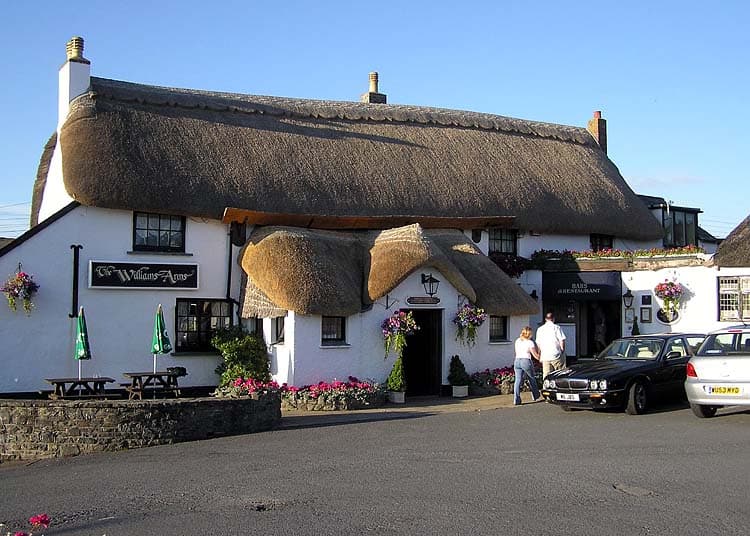
Selection of local cheeses, crusty bread, pickles, and chutney.

Suet pastry pie filled with beef and ale, served with mashed potatoes and liquor.

A stunning example of English architecture, this cathedral has been a place of worship since the 8th century.

Discover the rich history of St Albans through this fascinating museum, housing artifacts from Roman times to the present day.
Climb the 93 steps to the top of this iconic tower for a breathtaking view of the city at sunset.

One of the oldest pubs in England, dating back to the 8th century, offering a traditional English breakfast.

A popular spot for sustainable seafood, offering a variety of dishes for lunch.

A vibrant restaurant offering a wide range of Mediterranean dishes and tapas for dinner.

Handcrafted pewter items, a traditional craft in St Albans, often featuring cathedral designs.

Locally produced honey from bees that pollinate the cathedral's gardens, a unique taste of St Albans.
Stained glass pieces inspired by the cathedral's windows, created by local artists.

A serene, lush nature park in the Kashmir Valley, known for its diverse flora and fauna.
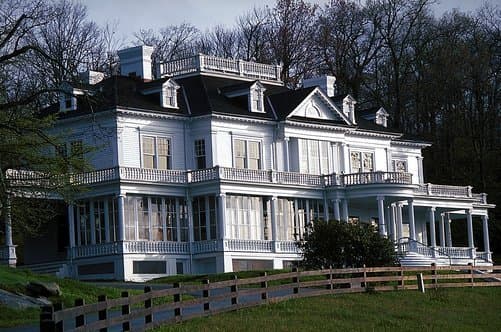
A serene park in the Blue Ridge Mountains, offering hiking trails, scenic views, and a historic home.
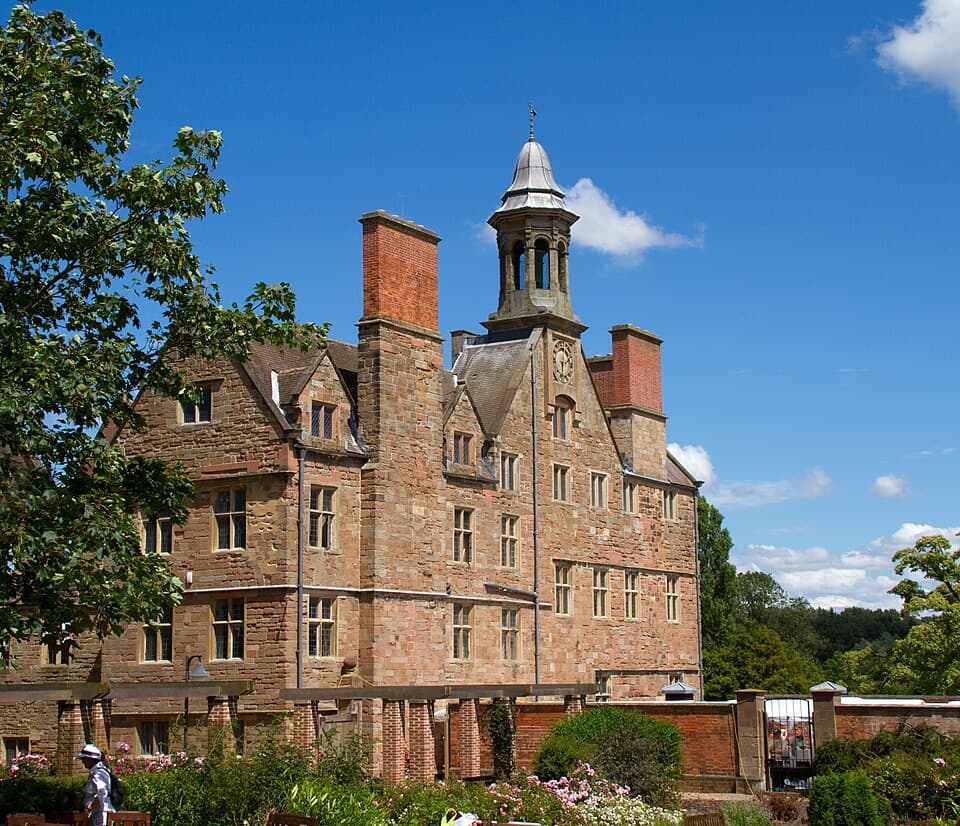
A 850-acre woodland and lake in the West Lancashire countryside, suitable for walking, cycling and birdwatching.